overlooking coffee grind consistency in your commercial setup
In the bustling world of commercial coffee, even the smallest details can have a significant impact on the overall quality of your brew. One crucial aspect that often gets overlooked is grind consistency. In 2026, as the coffee culture continues to evolve, understanding this element can separate your business from the rest. The grind size affects the extraction process, flavour profile, and ultimately, the satisfaction of your customers, so let's delve into why maintaining grind consistency is vital and how to avoid common pitfalls.
The Importance of Grind Consistency
Grind consistency refers to the uniformity of the coffee particles after grinding. When coffee beans are ground, their surface area increases, allowing for better extraction of flavours during brewing. If the grind is inconsistent, some particles may be over-extracted, resulting in bitterness, while others may be under-extracted, leading to sourness. This imbalance can create a coffee experience that is far from ideal, and in a commercial setup, it can deter repeat customers.
Common Mistakes to Avoid
One of the most common mistakes in commercial setups is using the wrong type of grinder. Burr grinders are preferable over blade grinders for achieving a consistent grind size. Blade grinders chop the beans unevenly, causing a mix of large and small particles. Investing in a high-quality burr grinder can make a noticeable difference in your coffee quality.
People Also Look For:
- Cooks Professional 20 Bar Espresso Coffee Machine with Steam Wand, 1L Water Tank & Stainless-Steel Drip Tray | Compact & Stylish B...
- CASABREWS Espresso Machine 20 Bar, Stainless Steel Espresso Coffee Machine with Powerful Steam Wand, Barista Coffee Maker with 1L ...
- TANGZON 20 Bar Espresso Coffee Machine, 1200W Stainless Steel Espresso Machine with Milk Frother, LED Touch Screen & 1.7L Water Ta...
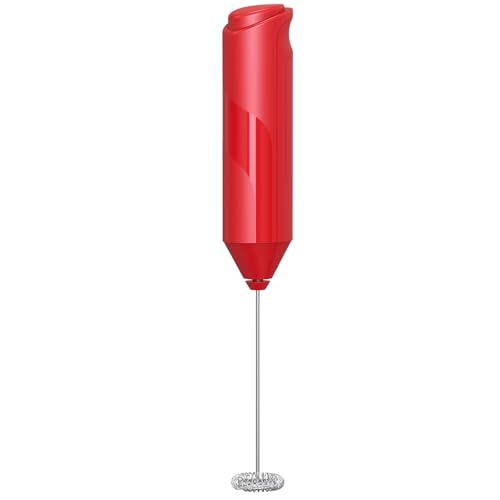
- CIRCLE JOY Electric Milk Frother Handheld, Rechargeable Coffee Frother with Dual Spring Whisk, Portable Hand Frother Wand Drink Mi...
- Nescafé Dolce Gusto De'Longhi Genio S Plus EDG315.CGY, Automatic Coffee Machine, Capsule Coffee Machine, Espresso Boost, Cappucci...
Not Calibrating Your Grinder Regularly
Many coffee business owners neglect to calibrate their grinders regularly. Coffee beans can vary significantly in density and moisture content, affecting how they grind. Make it a practice to check and calibrate your grinder settings at the start of each day or after a significant batch change. This ensures that you maintain that all-important consistency throughout service.
Ignoring Grind Size Adjustments
Each coffee type requires a specific grind size for optimal extraction. For instance, espresso typically needs a fine grind, while French press requires a coarse grind. Ignoring these adjustments can result in poor flavour profiles. Maintain a detailed chart of grind size recommendations for the different coffee types you serve. This will serve as a handy guide for your baristas, ensuring they achieve the desired flavour with each brew.
Inconsistent Bean Storage
Another aspect that can affect grind consistency is how you store your coffee beans. Exposure to air, light, and moisture can alter the characteristics of your beans, impacting their grind and extraction. Invest in airtight containers and store your coffee beans in a cool, dark place to preserve their freshness and consistency.
Overlooking Maintenance and Cleaning
Grinders require regular cleaning to ensure they function optimally. Oils and coffee residues can build up and affect the grinding process, leading to inconsistent grinds. Schedule weekly cleaning sessions for your grinders to remove any build-up. Additionally, check for any wear and tear on the grinder blades, as dull blades can produce uneven grinds.
Training Staff Properly
Lastly, inadequate training of staff can lead to grind inconsistency. Ensure all team members are trained on the importance of grind consistency and the impact it has on the final product. Regular workshops can keep your staff updated on best practices and reinforce the importance of maintaining quality.
Investing in Technology
In 2026, technology plays a significant role in maintaining grind consistency. Consider upgrading to grinders with digital controls that allow for precise adjustments. These grinders can help ensure that your team achieves the desired grind size with each batch, ultimately enhancing the quality of your coffee.