striking the balance between budget and premium commercial coffee
In the ever-evolving landscape of the coffee industry, businesses face the pressing need to select the right type of coffee that balances quality with cost. As of 2026, this decision has become even more crucial for commercial establishments eager to attract and retain customers. With a plethora of options available, understanding the differences between budget and premium commercial coffee is essential for making an informed choice.
Understanding Budget Coffee
Budget coffee typically refers to lower-cost options that may be sourced from various regions and blended to achieve a consistent flavour profile. These coffees are often mass-produced, prioritising cost efficiency over unique flavour characteristics. For businesses looking to keep expenses low while still offering a caffeine fix, budget coffee can be a viable solution. However, it is important to ensure that even budget options meet a certain standard of quality to satisfy your customer base.
Evaluating Premium Coffee
On the other hand, premium coffee is usually sourced from specific regions known for their unique flavour profiles. This type of coffee often involves single-origin beans or specialty blends that highlight the nuances of the growing conditions. Premium coffee can significantly enhance the customer experience by offering superior taste and aroma, making it a worthwhile investment for establishments aiming to elevate their brand. Businesses that choose premium coffee often find that customers are willing to pay more for a high-quality product, thereby increasing overall revenue.
People Also Look For:
- Daewoo Compact Espresso Coffee Machine, Digital, 20Bar Pressure, Professional Look With Steam Wand, Barista Quality Coffee Made At...
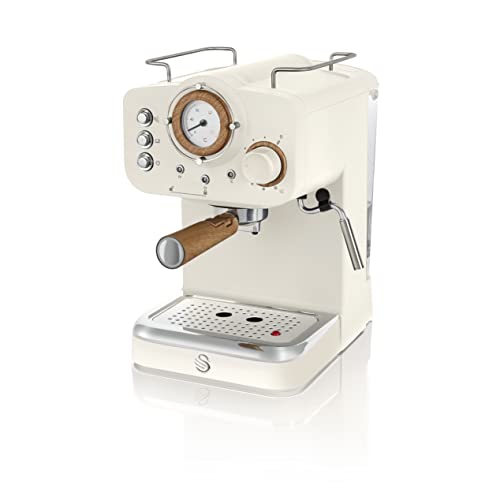
- Swan SK22110BN Retro Espresso Coffee Machine with Milk Frother, Steam Pressure Control, 1.2L Detachable Water Tank, 1100W, Retro B...
- De'Longhi Manual Coffee Machine Stilosa EC260.CR, 15 Bar Pressure, Cappuccino System, Automatic Switch-Off, Compatible with ESE po...
- Chefman CraftBrew Espresso Machine, 15-Bar Pump, Digital Touchscreen, Steam Wand for Latte & Cappuccino, Compact Espresso Coffee M...
- Philips 5400 Series Bean-to-Cup Espresso Machine - LatteGo Milk Frother, 12 Coffee Varieties, 4 User Profiles, Intuitive Display, ...
The Middle Ground: Blending Options
For many businesses, the answer lies in striking a balance between budget and premium offerings. One effective strategy is to create a tiered coffee menu that caters to different customer preferences. This approach allows you to offer budget-friendly options for those seeking value, while also providing premium choices for customers willing to spend more for a superior experience. Additionally, consider experimenting with seasonal premium blends that can be offered for a limited time, creating a sense of exclusivity without the need for a complete overhaul of your coffee selection.
Quality Control and Supplier Relationships
Regardless of the pricing strategy you choose, maintaining quality control is paramount. Work closely with your coffee suppliers to ensure that they uphold high standards, whether you opt for budget or premium options. Request samples and conduct tasting sessions to assess the flavour profiles and ensure that they align with your brand’s identity. Building strong relationships with suppliers can also lead to better pricing and exclusive offerings that enhance your menu.
Cost Analysis and Customer Feedback
Conducting a thorough cost analysis can help you determine the most appropriate pricing strategy for your coffee offerings. Factor in not only the cost of the coffee itself but also the associated expenses such as equipment, labour, and overhead. Moreover, actively seek customer feedback to gauge their response to both budget and premium options. This can help you identify which offerings are most popular and whether adjustments are necessary to better meet customer expectations.
Marketing Your Coffee Choices
Once you have established your coffee range, effective marketing becomes essential. Highlight the unique aspects of your premium offerings, such as their origin and the methods used to brew them. Use social media platforms to engage customers with stories about your coffee choices, inviting them to share their experiences. You can also host tasting events or workshops to educate customers about the differences between budget and premium coffees, fostering a deeper appreciation for what you offer.
Conclusion
In an increasingly competitive market, striking the right balance between budget and premium commercial coffee is not only about cost but also about delivering an exceptional experience that keeps customers coming back for more.